

Mobile devices and Internet of Things (IoT) applications are becoming commonplace in this day and age, yet it is a struggle to use existing power outlets and keep charging. Scientists and technological leaders have begun to research and develop charging methods, in which electrical power can be harvested through other means, providing innovative power solutions for devices.
This will soon become a reality in Malaysia, thanks to Infinecs Systems Sdn Bhd, Universiti Malaya, Asia Pacific University of Technology and Innovation, Universiti Sains Malaysia and the CREST Project. They have collaborated and developed an innovative Integrated RF Energy Harvesting System. This groundbreaking energy harvesting system, developed from August 2020 to September 2023, harvests ambient radio frequency (RF) energy, converting it into usable electrical power for various devices, particularly those within the Internet of Things (IoT).
The key features of this energy harvesting system is that it has high sensitivity, which means it can harvest energy from even the weakest RF signals, has extended dynamic range, in which it maintains high efficiency across a wide range of signal strengths. It was also able to harvest energy from three different frequency bands, making it versatile, and it optimises energy conversion and storage.
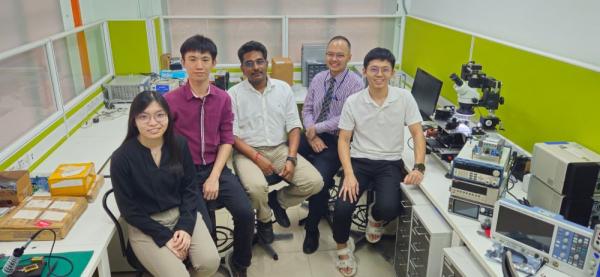
“This project is a testament to the power of collaboration between academia and industry. The Analog, Digital and RF Research Group, led by myself, along with the contributions of Dr. Lian Wen Xun and Dr. Yong Jack Kee, played a pivotal role in the system’s development. The support from CREST, Infinecs, UM, APU and USM was instrumental in bringing this innovation to fruition,” said Dr. Ir. Harikrishnan Ramiah, head of Centre of Research Industry in University Malaya and spokesperson for the project.
He also said designing the RF energy harvesting system that is capable of efficiently harvesting and converting RF energy across multiple bands required overcoming numerous technical challenges.
“This was achieved through rigorous research, extensive testing, and close collaboration between academic researchers and industry experts,” he said.
The other challenge that the inventors faced was integration. This is because it involved combining various components, such as the RF front-end, rectifier and charge pumps into a seamless system.
“We managed to achieve and address these challenges through meticulous design and optimisation processes,” said Harikrishnan.

He added that the market response towards this energy harvesting system has been overwhelmingly positive, as the system’s ability to provide sustainable and self-sufficient power solutions for IoT devices has garnered significant interest from various industries.
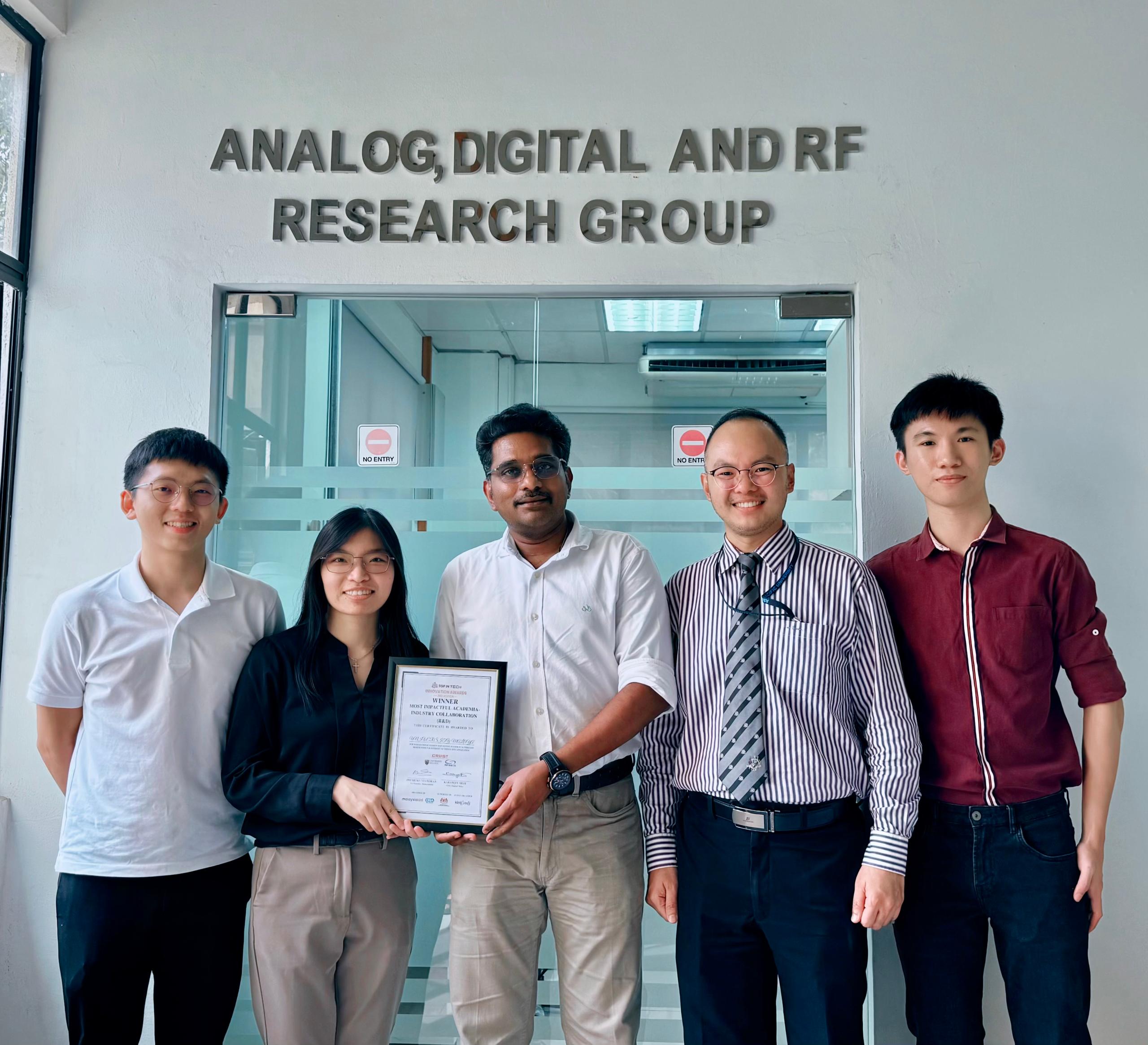
The technology was further recognised with the prestigious Top In Tech Innovation Award for Most Impactful Academia-Industry Collaboration, further validating its potential.
Moving forward, the inventors have big plans for the RF energy harvesting system, which includes actively pursuing commercialisation efforts to bring the system to market, targeting applications in 5G communications, IoT sensors, biomedical wearables and RFID.
“We also want to continue research and development to enhance the system’s performance, efficiency, and versatility, as well as explore integration with 5G Wireless Sensor Networks (WSN) and co-designing antennas and rectifiers to reduce system complexity and improve overall performance,” said Harikrishnan.