
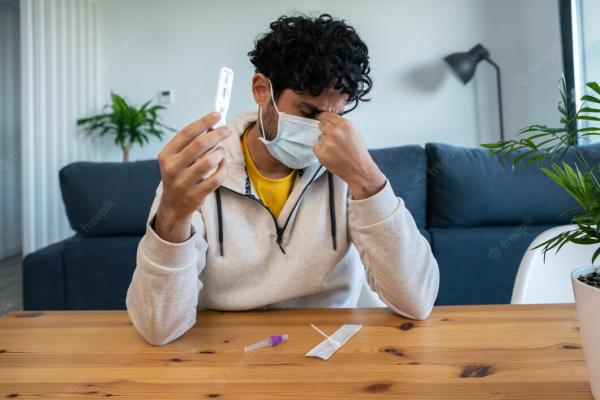

Vaccination, past infection, and timely access to treatments can help protect you from getting very sick if you get COVID-19¹. However, some people are more likely than others to experience more severe symptoms upon infection. This includes people who are older, immunocompromised or those who have underlying health conditions, or co-morbidities¹.
In this interview, Dr Leong Chee Loon, an Infectious Diseases Consultant answers some of the most frequently asked questions on COVID-19. Understanding your COVID-19 risk and the risks that might affect others can help you make decisions to protect yourself and those closest to you¹.

Do I still need to be concerned about COVID-19 given the relaxation of SOPs?
Dr Leong advised that the concern should still be there, and we should always remain vigilant, responsible, wise and aware when it comes to our health². Viruses constantly change through mutation and sometimes these mutations result in a new variant of virus³.
Over the last two years, variants such as Alpha, Beta, Delta and others have increased the number of cases, with illness ranging from mild (with no reported symptoms in some cases) to severe⁴. While the milder Omicron variant and its subvariant BA.5 (and its cousin, BA.4) appear to be less deadly than variants that preceded them, they can still cause severe illness in some people⁴. Know that if you are at a higher risk of developing severe illness from COVID-19, treatments are available that can reduce your chances of hospitalization and death¹´⁵.
Difference between an immunocompetent patient and an immunocompromised patient
“For immunocompetent patients (individuals whose immune system is working well and whose body is capable of eliciting an appropriate immune response⁶), their symptoms may probably affect the upper respiratory tract⁷ and they are less likely to experience pulmonary complications when infected with COVID-19⁸,” said Dr Leong.
However, people who are immunocompromised (have a weakened immune system) are more likely to experience more severe symptoms of COVID-19 and may be ill for a longer period⁹. Other than immunocompromised patients, the elderly also have a higher tendency to get very ill if they contract the COVID-19 disease¹⁰.
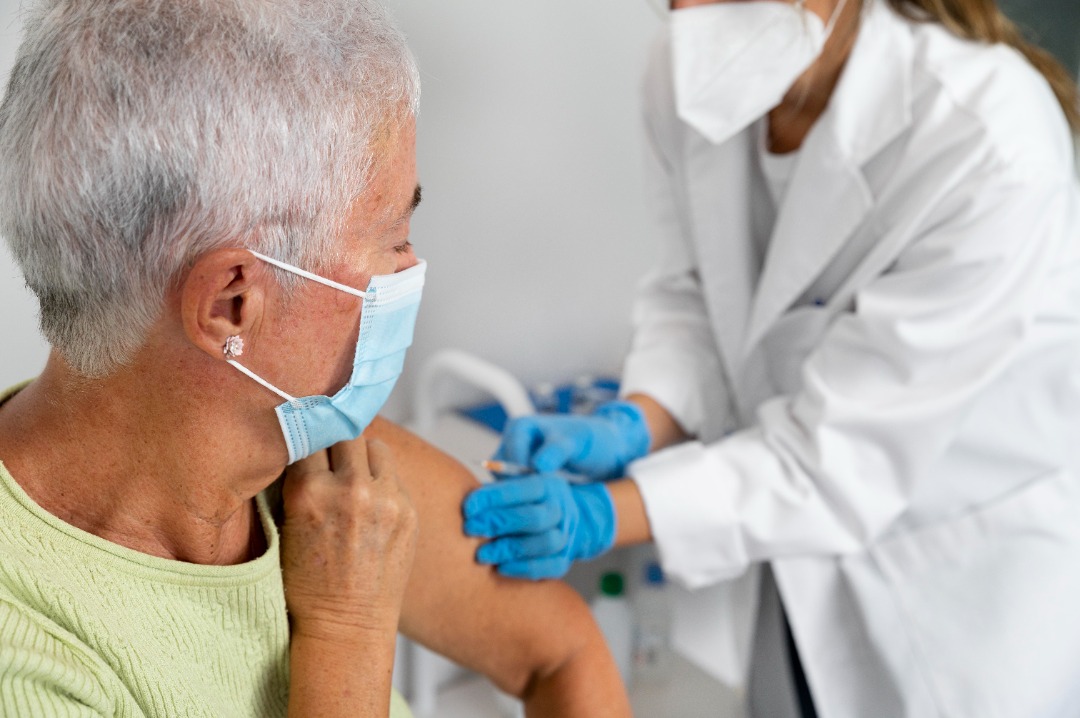
Are vaccinations sufficient to prevent COVID-19 in the future?
“Today’s infectious disease challenges are broader and more complex than before¹¹. Many people have the misconception that the COVID-19 vaccinations will be able to eradicate the illness from our body and deliver lifelong immunity, but this is not exactly true¹². The goal of taking the vaccination is to reduce the severity of the illness, by working with your body’s natural defences to build protection¹³,” said Dr Leong.
Why are comorbidities a risk factor for severe COVID-19?
Comorbidities are the presence of two or more diseases in the same person. So, for example, if a diabetic patient developed COVID-19, they would have comorbidities. Comorbidity includes patients who have concomitant diseases like asthma, chronic obstructive pulmonary disease, chronic kidney disease, various heart conditions, such as heart failure and coronary artery disease, and obesity¹⁴.
Having a disease would weaken the body's systems, making it difficult for the body to eliminate the cause of the disease and to fight invaders, like viruses and bacteria. When two or more conditions are present at the same time, this can be very taxing to the body, and the affected person may need a longer time to recover than someone who does not have any comorbidities¹⁴.
Home testing for COVID-19
Self-tests, or at-home tests, are usually antigen tests that can be taken anywhere without having to go to a specific testing site¹⁵.
“If you are experiencing upper respiratory symptoms such as cough, sore throat, new loss of taste or smell, difficulty breathing, or have had a close contact with someone who has symptoms then you should carry out self-testing¹⁵´¹⁶. This is to ensure you don’t pass it on to your loved ones, especially those who are at high risk for severe COVID-19¹⁵ such as elderly¹⁰ and people who are immunocompromised⁹,” advised Dr Leong.
The available treatment options for COVID-19 in Malaysia
The most important thing to remember about treatment for COVID-19 is that it should be started as soon as possible after diagnosis to be effective¹⁷. Options that act directly on the coronavirus to help prevent severe illness and death from COVID-19 includes:
-
Antiviral treatments that target specific parts of the virus to stop it from multiplying in the body¹⁷
-
Monoclonal antibody therapies that prevent the virus from entering the host cell¹⁸.
“In summary, if you test positive for COVID-19, treatments are available that can reduce your chances of severe illness including hospitalization and death. Please don’t delay because treatment must be started within days after you first develop symptoms to be effective¹⁷,” said Dr Leong.
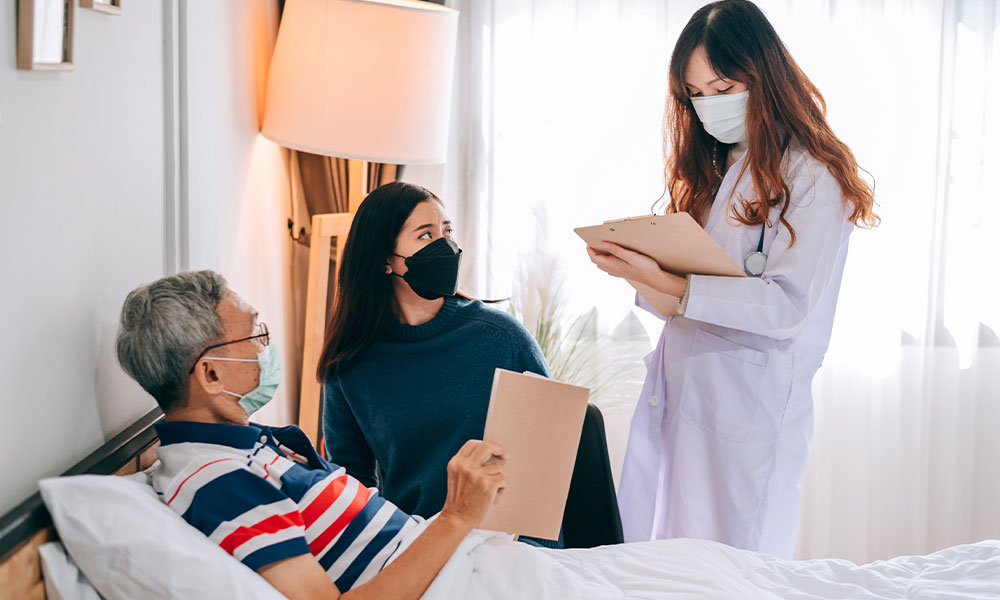
Vaccines play a critical role in preventing severe illness, hospitalisation, and deaths¹⁹
As with other vaccine-preventable diseases, you are protected from COVID-19 when you stay up to date with the recommended vaccinations, including recommended boosters¹⁸.
Being vaccinated makes you less likely to get very sick. Still, some vaccinated people, especially elderly, or those who are high risk, may benefit from treatment if they get COVID-19¹⁷.
Stay vigilant and conduct self-test if you experience COVID-19 symptoms. Act fast and consult your doctor immediately, even if your symptoms are mild right now because treatment must be started as soon as possible to be effective¹⁷.
The article is brought to you by Pfizer Malaysia. The contents represent the opinions and experience of respective individuals and do not necessarily represent the views or recommendation of Pfizer.
PP-PAX-MYS-0123-31OCT2022
References
-
Centers for Disease Control and Prevention (CDC). Factors That Affect Your Risk of Getting Very Sick from COVID-19. Last accessed: 28 Oct 2022. Retrieved from: LINK
-
United Nations. Dr. Saria Osman El-Amin. Let’s stay vigilant, COVID-19 is still here. Last accessed: 28 Oct 2022. Retrieved from: LINK
-
Centers for Disease Control and Prevention (CDC). Variants of the Virus. Last accessed: 28 Oct 2022. Retrieved from: LINK
-
Yale Medicine. Kathy Katella. 9 Things Everyone Should Know About the Coronavirus Outbreak. Last accessed: 28 Oct 2022. Retrieved from: LINK
-
Centers for Disease Control and Prevention (CDC). COVID-19 Treatments and Medications. Last accessed: 28 Oct 2022. Retrieved from: LINK
-
Very Well Health. Dr Heather L Brannon. What Does Being Immunocompetent Mean? Last accessed: 28 Oct 2022. Retrieved from: LINK
-
Raffaelli F, Tanzarella ES, De Pascale G, Tumbarello M. Invasive Respiratory Fungal Infections in COVID-19 Critically Ill Patients. Journal of Fungi. 2022; 8(4):415. Last accessed: 28 Oct 2022. Retrieved from: LINK
-
Sakr, Y., Giovini, M., Leone, M. et al. Pulmonary embolism in patients with coronavirus disease-2019 (COVID-19) pneumonia: a narrative review. Ann. Intensive Care 10, 124 (2020). Last accessed: 28 Oct 2022. Retrieved from: LINK
-
Centers for Disease Control and Prevention (CDC). People Who Are Immunocompromised. Last accessed: 28 Oct 2022. Retrieved from: LINK
-
Centers for Disease Control and Prevention (CDC). COVID-19 Risks and Vaccine Information for Older Adults. Last accessed: 28 Oct 2022. Retrieved from: LINK
-
Centers for Disease Control and Prevention (CDC). A CDC Framework For Preventing Infectious Diseases. Last accessed: 28 Oct 2022. Retrieved from: LINK
-
Healthline. Will COVID-19 Vaccines Give Lifelong Immunity to the Disease? What We Know. Last accessed: 28 Oct 2022. Retrieved from: LINK
-
Centers for Disease Control and Prevention (CDC). Benefits of Getting A COVID-19 Vaccine. Last accessed: 28 Oct 2022. Retrieved from: LINK
-
Health. Claire Gillespie. Why Comorbidities Are a Risk Factor for Severe COVID-19. Last accessed: 28 Oct 2022. Retrieved from: LINK
-
Centers for Disease Control and Prevention (CDC). COVID-19 Testing: What You Need to Know. Last accessed: 28 Oct 2022. Retrieved from: LINK
-
Centers for Disease Control and Prevention (CDC). Symptoms of COVID-19. Last accessed: 28 Oct 2022. Retrieved from: LINK
-
Centers for Disease Control and Prevention (CDC). COVID-19 Treatments and Medications. Last accessed: 28 Oct 2022. Retrieved from: LINK
-
U.S. Department of Health & Human Services. HHS, Administration for Strategic Preparedness and Response (ASPR). Last accessed: 28 Oct 2022. Retrieved from: LINK
-
Centers for Disease Control and Prevention (CDC). Stay Up to Date with COVID-19 Vaccines Including Boosters. Last accessed: 28 Oct 2022. Retrieved from: LINK