

KL International Airport (KLIA) Terminal 1 is undergoing a major transformation as Malaysia Airports Holdings Bhd (MAHB) ramps up efforts to enhance the passenger experience and boost operational efficiency.
In the first half of 2025, MAHB invested RM30 million into a series of upgrades, the company’s first large-scale enhancement project since its privatisation in February. The move comes as Malaysia prepares to host the 47th ASEAN Summit in October and gears up for Visit Malaysia Year 2026, both of which are expected to drive a surge in international and domestic travel.
The upgrades reflect MAHB’s drive to position KLIA as a world-class international hub, one that is efficient, inclusive, and future-ready, according to KLIA Terminal 1 General Manager of Operations, Abd Hasman Abd Muhimim.
KLIA has already recorded 30.1 million passengers in the first half of 2025, a 9.9 percent increase compared to the same period last year, underscoring the need for improved capacity and service quality.
Smarter Systems, Smoother Journeys
Among the 14 new features and enhancements are innovations aimed at reducing congestion and speeding up passenger processing throughout the terminal.
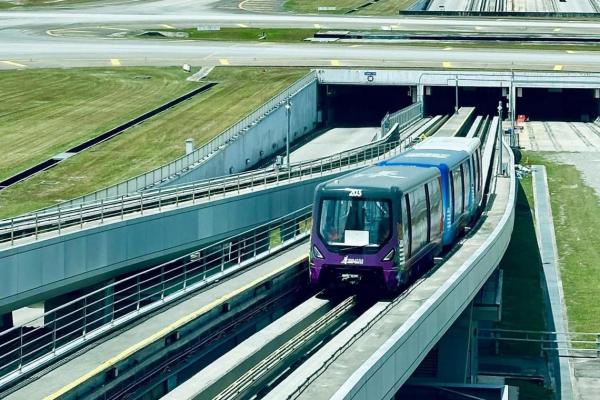
During Malaysiakini’s visit on Monday, July 15th, the Aerotrain service which officially resumed operations on July 1st after several months of suspension was running smoothly, with a steady stream of passengers boarding at both the main terminal and satellite building. The scene signalled renewed public confidence in the service.
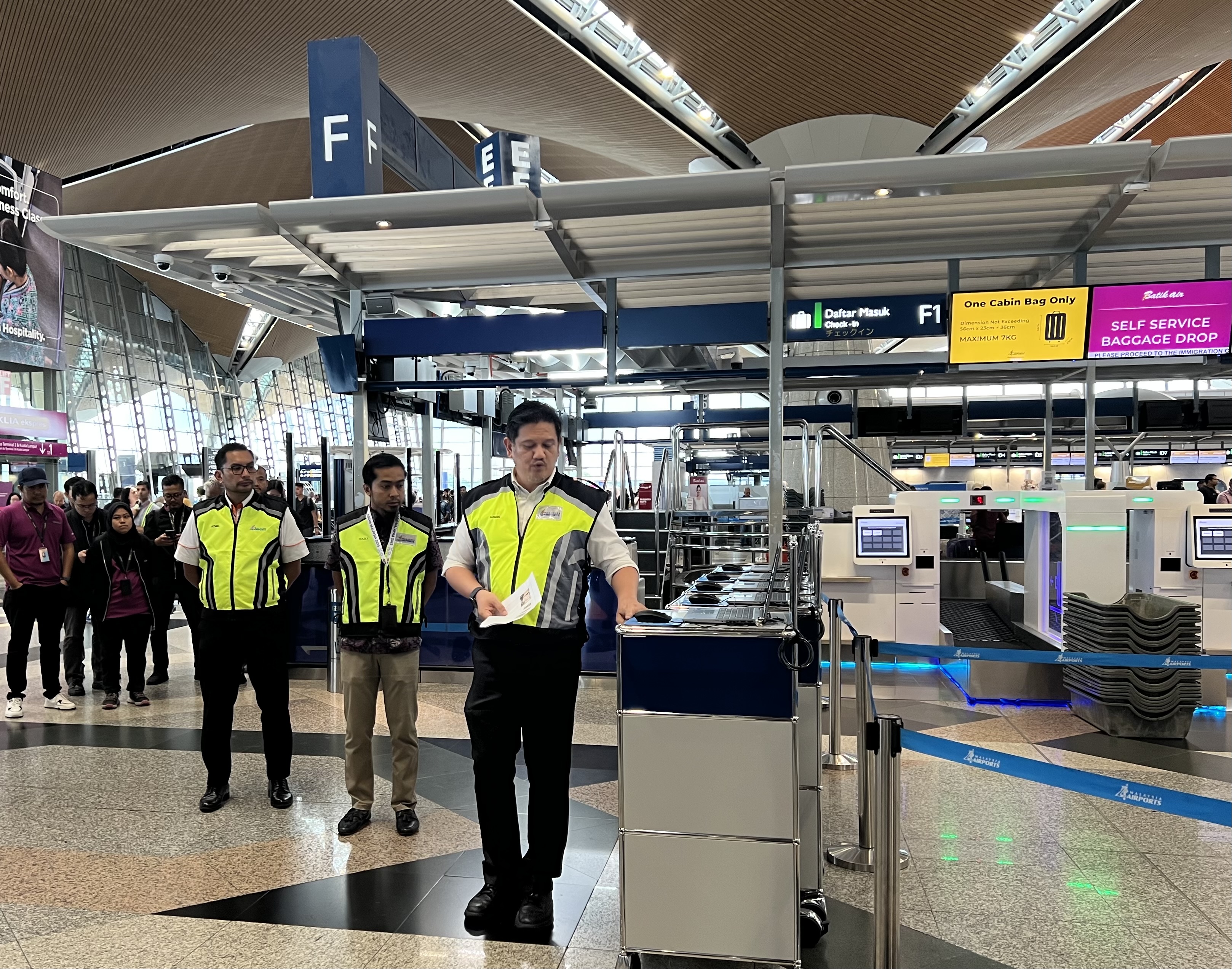
A key highlight among the upgrades is a proof-of-concept open-belt bag-drop system, featuring five mobile check-in units capable of handling up to 10 times more baggage per hour than conventional counters helping to ease bottlenecks at departure areas.
Security screening processes have also been streamlined. At domestic checkpoints, lanes have been reconfigured with extended trays and repacking zones, increasing passenger throughput from 770 to 1,569 people per hour. Wait times have now been reduced to under five minutes on average.
For international departures, nine self-scanning boarding pass lanes have replaced six manual counters, enabling faster processing with easy-to-follow digital instructions.
MAHB has also introduced priority immigration counters for families with children, senior citizens, pregnant women, and passangers with reduced mobility, part of a broader effort to make KLIA more inclusive and accessible..
Boosting comfort, safety and accessibility
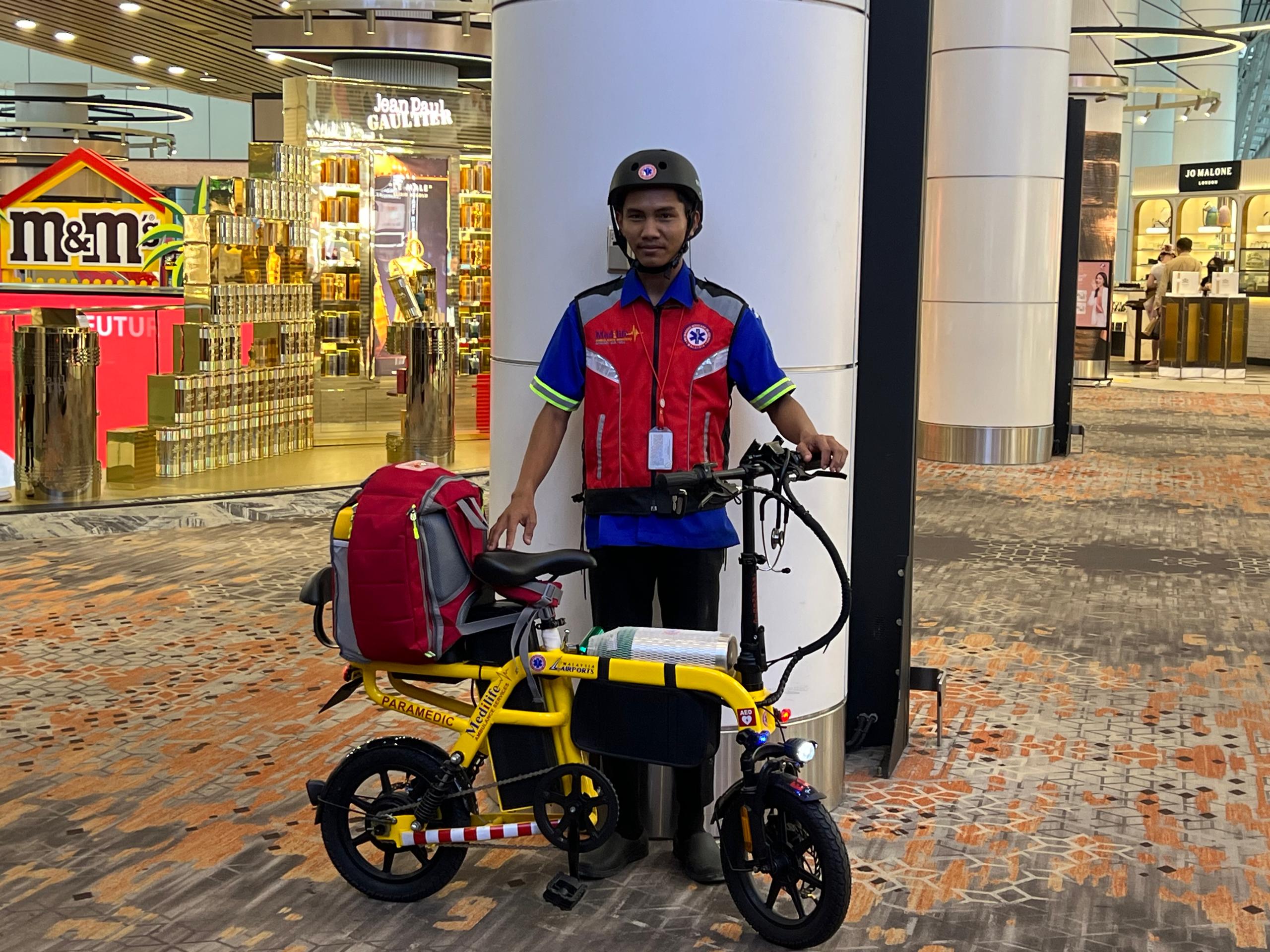
MAHB has not only focused on speed but also comfort and safety. Three paramedic teams on e-scooters, equipped with oxygen tanks, trauma kits, and automated external defibrillators (AEDs), have been deployed throughout the terminal, including the satellite building, to enhance emergency response readiness.
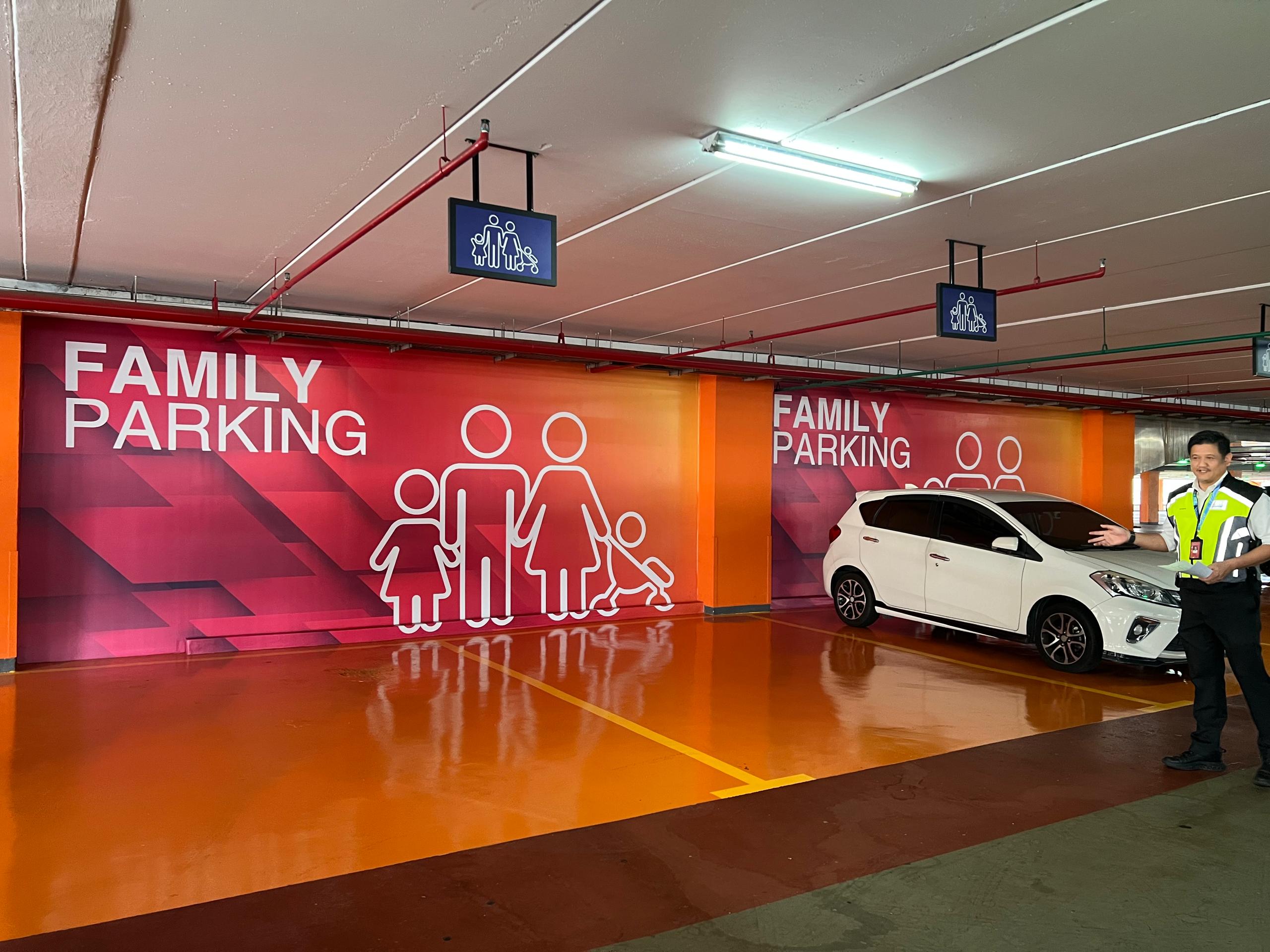
A fleet of 5,000 passenger trolleys has been replaced with lightweight, strap-free models fitted with brakes for easier and safer handling. Meanwhile, 54 standard parking bays have been converted into 36 wider, family-friendly lots located closer to the terminal entrance. The move comes in response to internal data showing that around 20 percent of KLIA passengers travel with children, prompting MAHB to expand parking options that better accommodate families.
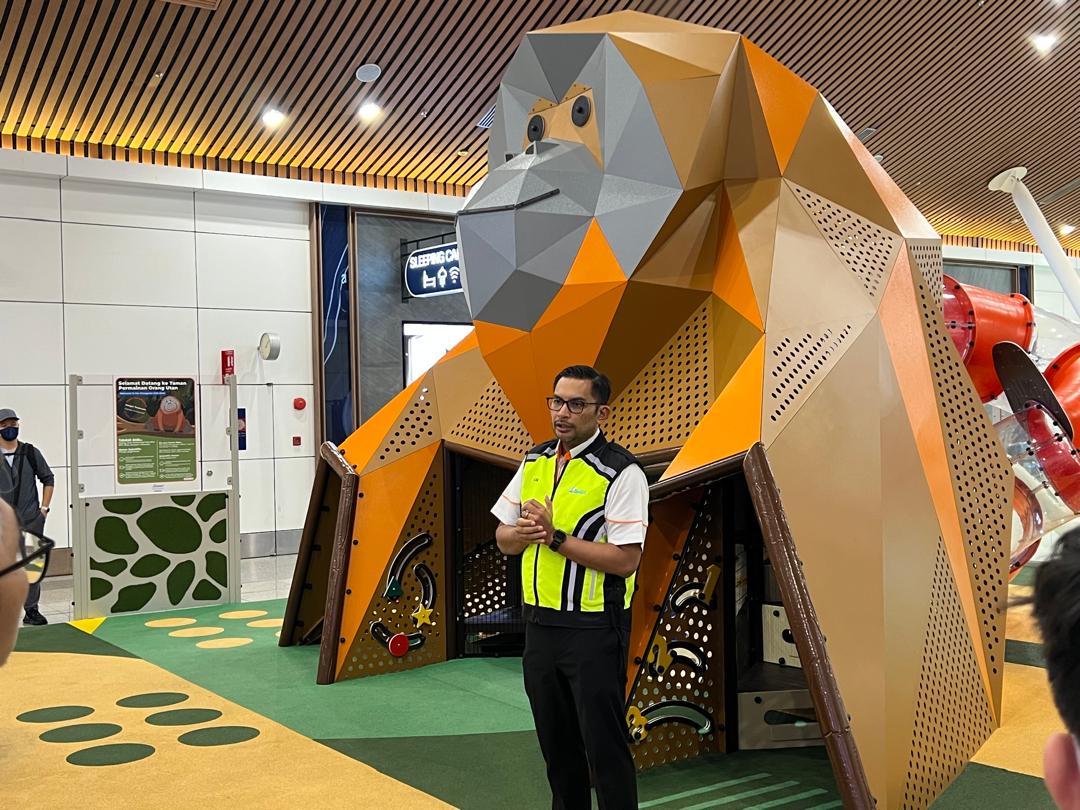
In line with efforts to make the terminal more family-friendly and culturally distinctive, MAHB has introduced a new orangutan-themed indoor playground at the Kids Zone in the Satellite Building.
In terms of accessibility, 80 public washrooms have been upgraded with wider entrances, sensor taps, and emergency call buttons. Additionally, 50 wheelchairs are now available free of charge at key passenger areas.
Travelling parents can also expect greater convenience. MAHB has introduced two themed nappy-changing rooms equipped with baby cots, hot water dispensers, and feeding areas, with three more scheduled for completion by August.
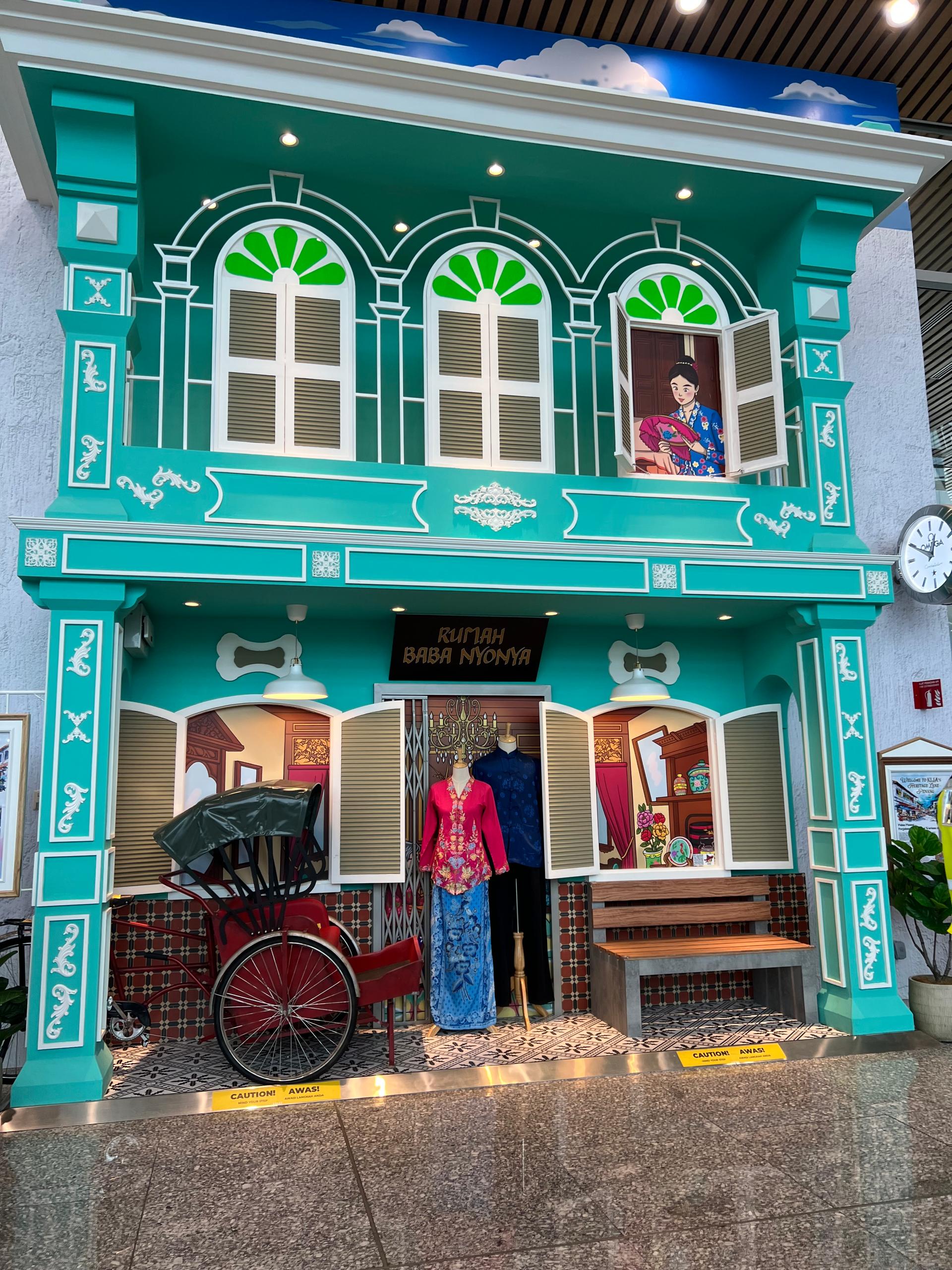
To infuse the airport experience with a touch of local identity, MAHB has installed two large murals featuring cultural elements from Penang and Melaka at Piers H and G. These visual installations are part of MAHB’s ongoing efforts to make KLIA more than just a transit point but a gateway to Malaysia’s heritage and hospitality.
“We’re not just building a functional airport, we’re building a welcoming experience,” said Abd Hasman.
With more international traffic expected in the coming months, MAHB is positioning KLIA Terminal 1 to meet future demands while delivering a world-class travel experience rooted in Malaysian warmth and character.
As Malaysia prepares to welcome the region and the world, KLIA Terminal 1’s latest upgrades reflect not just an investment in infrastructure, but a renewed commitment to service, safety and cultural identity.